History Keeps Repeating Itself Because We Never Study Why
Every society believes its moment of stability is permanent... until it isn't. History keeps proving otherwise. Power shifts, institutions crack, and the very forces that built a society end up being the ones that strain it. The real problem isn't that these cycles happen. It's that we keep missing the deeper causes, both external shocks and internal pressures, so we relearn the same lessons the hard way, every single time.
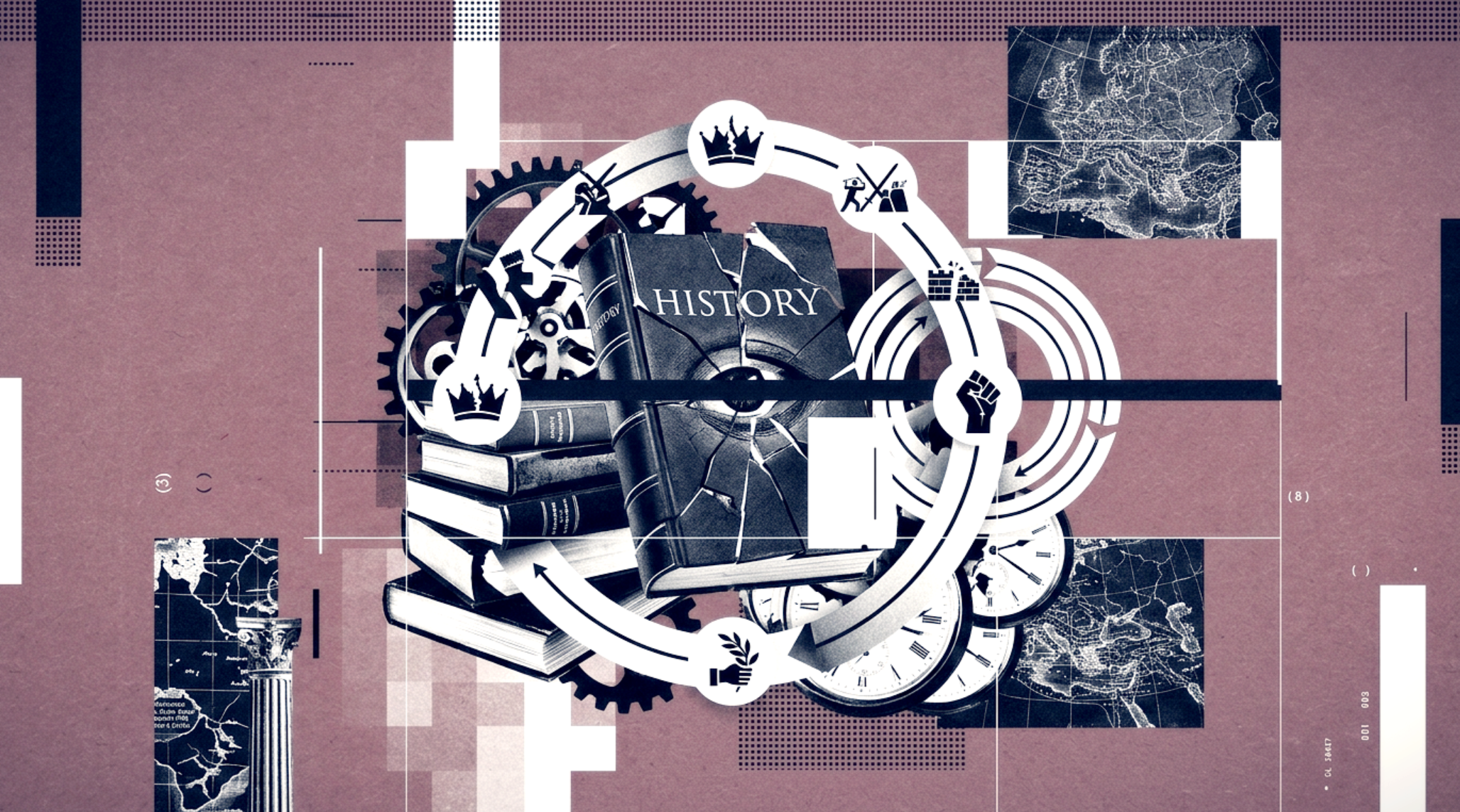
This is where I think we need to start treating history less like a story and more like a science. There's a field built for exactly that, Historical Dynamics (or cliodynamics, if you want a cooler, more original name). It studies how societies move through stability, internal pressure, crisis, and reorganization. It sounds a little esoteric at first (I promise it's not as dry as it sounds), but once it clicks, it's actually pretty intuitive. Historical Dynamics can't predict the future, but it can provide you with tools and frameworks to catch the patterns and rhymes that occur with continuous frequency.
If you want a place to start with Historical Dynamics, Peter Turchin is the obvious pick... he's basically the godfather of the field in regards to social patterns, mathematical applications, etc. His work on logistical growth, structural demographic theory, secular cycles, and elite overproduction lays out why these breakdowns keep happening, and why they rarely feel random once you understand the pattern behind them. There are a few other notable academics in the field to look into as well, such as Joseph Tainter (collapse through complexity decay), Will & Ariel Durant (historical rhythm of civilization), and Rhys Carpenter (cvilization super cycles outlined in The Discontinuity of Greek Civilization). But no one knows how to party like Turchin, so at least check out End Times, Secular Cycles, or (my favorite) War and Peace and War.
Here's the insight that stuck with me most in regards to our perception that societies are seemingly permenent. Societies don't really adapt to these cycles, they react (often violently, and usually too late). The ones that avoid the worst outcomes are the ones paying attention early, leaders and communities who can read internal pressure, spot vulnerabilities before they widen, and actually listen when the warning signs show up. That's the real takeaway... stability isn't something you inherit, it's something you keep earning by paying attention to what history already tried to teach you.